Friday, March 28, 2025

Great Places Couples Shouldn’t Miss on a Trip to New Orleans

 Book Cover


Great Places Couples Shouldn’t Miss
on a Trip to New Orleans

New Orleans isn’t just beads and Bourbon Street (though we’re not knocking that). This soulful city is oozing with romance, charm, and just the right amount of mystery to make it the perfect couple’s getaway. Whether you're strolling hand-in-hand through the French Quarter, sharing beignets under moss-draped oaks, or dancing to live jazz in a candlelit club, New Orleans is built for love—in all its flavorful, musical, and slightly haunted glory.

So if you’re planning a romantic adventure, here are some can’t-miss spots in New Orleans for couples that go beyond the usual tourist traps.

Jackson Square – Where Romance Meets Royalty

Start your trip with a classic: Jackson Square. This historic park in the heart of the French Quarter is perfect for slow walks, sweet conversations, and people-watching while local artists paint and street musicians serenade the square.

Snap a photo in front of St. Louis Cathedral, have your tarot cards read by a fortune-teller, or just sit on a bench and soak in the vibe. It’s a magical place where love feels like it's been marinating for centuries.

Frenchmen Street – Music, Mood, and Moves

Forget the chaos of Bourbon Street (unless that’s your thing—no judgment!). Frenchmen Street is where the real music lives.

Cozy up in intimate jazz clubs like The Spotted Cat or d.b.a., grab drinks from funky bars, and dance like nobody’s watching—even if everyone is. There’s something effortlessly romantic about moving together to live music in a dimly lit bar surrounded by locals.

Cafe du Monde – Sweetness, Powdered Sugar, and Love

Yes, it’s iconic. Yes, it’s touristy. But YES, it’s still worth it. Cafe du Monde is a New Orleans rite of passage, and nothing says “romantic morning date” like sharing a plate of warm, powdery beignets and sipping chicory coffee while people pass by the open-air café.

And if you don't get powdered sugar on your partner while laughing and eating? Are you even trying?

A Carriage Ride Through the French Quarter

You can walk the French Quarter, sure. But if you want to turn up the romance, hop on a horse-drawn carriage and let someone else do the guiding while you snuggle up and learn a bit of NOLA’s spooky, steamy, and downright wild history.

It’s classic, a little cheesy (in the best way), and undeniably romantic as you ride through the cobblestone streets and gaslit alleys. Bonus points if it’s after dark.

The Garden District – Southern Charm with a Side of Swoon

Trade the wild energy of downtown for the elegant calm of the Garden District. Tree-lined streets, historic mansions, and charming architecture make this one of the most romantic spots in the city.

Take a leisurely walk, explore Lafayette Cemetery No. 1 (surprisingly atmospheric and cool), and dream about buying a Victorian house together—preferably one with a porch swing and a ghost in the attic.

Steamboat Natchez – Love on the Mississippi

Ready for some Southern Titanic vibes (without the sinking)? Board the Steamboat Natchez for a romantic cruise down the Mississippi River.

Enjoy jazz music, dinner, and scenic views of the city from the water. Whether you opt for a day cruise or an evening under the stars, it’s the kind of experience you’ll talk about long after the trip is over.

Royal Street – A Quieter Kind of Magic

Just a block over from Bourbon, Royal Street is like Bourbon’s classy older sibling. It’s filled with beautiful balconies, antique shops, street performers, and galleries that make it the perfect spot for a romantic stroll.

You might even catch a surprise street concert or two—bonus if it ends with a spontaneous slow dance in the street. (Yes, it’s cheesy. Yes, you should do it anyway.)

Crescent Park – Sunset Strolls with a View

Tucked away from the bustle of the city, Crescent Park gives you a stunning view of the river and skyline. It’s perfect for a peaceful escape with your love, especially around sunset.

Bring a blanket, a bottle of wine, and just enjoy the beauty of being together somewhere magical.

Commander’s Palace – Dress Up and Dine Out

For the ultimate romantic dinner, Commander’s Palace is the place. Located in the Garden District, this legendary restaurant offers incredible Creole cuisine, top-tier service, and that feeling of dressing up for a date night that actually means something.

Make a reservation, say “cheers,” and treat yourselves. You’re in New Orleans, after all.

Let the City Woo You Both

New Orleans is spicy, soulful, mysterious, and full of surprises—kind of like the best relationships. Whether you're clinking glasses in a jazz club, wandering down cobblestone streets, or sharing powdered-sugar kisses at Café du Monde, there's no doubt this city will charm the both of you.

So pack your bags, hold hands often, and let New Orleans do what it does best: sweep you off your feet.

#RomanticNOLA #CouplesGetaway #NewOrleansMagic #JazzAndLove #NOLAforTwo


Work Life Balance

Wednesday, March 26, 2025

Decluttering Tips for Couples: Simplify Your Space, Strengthen Your Relationship

 Decluttering Home


Decluttering Tips for Couples: Simplify Your Space,

Strengthen Your Relationship

A clutter-free home isn’t just about aesthetics—it can improve your mental well-being and make your home a more relaxing place to live together. For couples, the process of decluttering can be a rewarding way to bond, collaborate, and create a shared space that truly reflects your lives together. Here are some practical tips to help couples declutter effectively and harmoniously.

1. Start with a Shared Vision

Before diving into decluttering, discuss what each of you hopes to achieve. Do you want a minimalist home, or are you simply aiming to create a tidier, more organized space? Having a clear vision helps you align your goals and get excited about the process.

Tip: Create a mood board together or list what an ideal home feels like to both of you, so you’re on the same page about what to keep and what to let go of.

2. Declutter One Room at a Time

Decluttering your entire home can feel overwhelming, so break it down by tackling one room at a time. Choose a space you both agree could use improvement, like the bedroom or kitchen. Focusing on a single area keeps the process manageable and lets you enjoy the immediate benefits of a cleaner space.

Tip: Start with smaller spaces like the bathroom or hallway closet to build momentum without getting overwhelmed.

3. Use the “Keep, Donate, Discard” Method

As you go through each item, sort it into one of three categories: keep, donate, or discard. This method makes it easier to decide what to do with each item and minimizes clutter piles. Be honest about what you actually use versus items that take up space with no real purpose.

Tip: Place bins or bags in each room for easy sorting, and decide on a charity for donations to stay motivated.

4. Address Sentimental Items Together

For many couples, sentimental items like gifts, old photos, or souvenirs can be tricky to handle. Go through these items together and decide what’s truly meaningful. Sometimes just discussing an item’s memories helps you realize whether it still holds a place in your life.

Tip: Set a limit on the number of keepsakes and find creative ways to store them, like a memory box or a photo album.

5. Divide and Conquer for Personal Belongings

Each of you likely has personal items—clothes, books, gadgets—that only you can sort through. Take time to declutter your individual belongings separately, respecting each other’s space and choices.

Tip: Agree to consult each other if you’re unsure about an item, especially if it has shared meaning or use.

6. Declutter Digital Spaces Together

Digital clutter can add up quickly and create stress. Spend some time organizing digital files, deleting old photos, clearing out emails, or sorting through shared devices. Tidying up your digital life can be surprisingly refreshing and helps create a sense of calm in the home.

Tip: Tackle one device or category at a time, like cleaning out the photo gallery or deleting old documents from shared computers.

7. Organize Shared Spaces Like the Kitchen and Living Room

The kitchen, living room, and bathroom are shared areas that both partners use daily. Work together to declutter these spaces, focusing on keeping only what you both find useful. Organize cabinets, drawers, and surfaces to create a functional layout that you both feel comfortable using.

Tip: Agree on a few key organizational systems, like designated spots for daily items, to maintain tidiness over time.

8. Set Boundaries for New Items

Decluttering is only effective if you prevent clutter from building back up. Set boundaries or ground rules about bringing new items into the home. Discuss big purchases together, and make a habit of evaluating if new items genuinely add value to your lives.

Tip: Try a “one in, one out” rule—if one new item comes in, another goes out—to keep clutter under control.

9. Schedule Regular Decluttering Sessions

Decluttering isn’t a one-time activity. To maintain a clutter-free home, schedule periodic decluttering sessions, whether monthly or seasonally. It helps you stay on top of things and ensures your home remains organized as your needs change over time.

Tip: Make decluttering an enjoyable routine, such as by playing music, lighting a candle, or even making it a friendly competition to keep things fun.

10. Celebrate Your Success

Decluttering as a couple is an accomplishment worth celebrating! Once you’ve finished an area or made progress, take a moment to enjoy the clean space you’ve created together. Acknowledge each other’s contributions and reward yourselves with a treat, like a nice dinner or a cozy movie night.

Tip: Take “before and after” photos to see how far you’ve come, which can be motivating for future decluttering projects.

Benefits of Decluttering Together

Decluttering isn’t just about making a tidy home; it’s about improving your life together. A decluttered space reduces stress, makes daily routines smoother, and even promotes better mental clarity. For couples, it strengthens communication, encourages compromise, and reinforces a shared vision for your home and lifestyle.

By working together to create a space that reflects both of your needs, decluttering becomes a positive experience that brings you closer. So, grab a few boxes, put on your favorite playlist, and start transforming your home into a clutter-free sanctuary you’ll both love.


Sunday, March 23, 2025

House Hunting Tips for Couples: Finding Your Dream Home Together

 Couple House Hunting


House Hunting Tips for Couples:

Finding Your Dream Home Together

House hunting can be an exciting yet challenging experience, especially for couples looking to find the perfect place to build their future. Balancing preferences, budgets, and practical needs requires teamwork and clear communication. Here are some essential house-hunting tips for couples to help make the journey smoother and more enjoyable.

1. Define Your Must-Haves and Deal-Breakers

Before you start touring houses, take the time to sit down together and discuss what each of you wants in a home. List your must-haves—such as the number of bedrooms, location, or yard size—and also your deal-breakers, like proximity to a busy road or lack of parking. Knowing what each person values will make it easier to identify properties that align with your shared goals.

Tip: Prioritize the top three must-haves from each partner to keep things balanced and realistic.

2. Set a Realistic Budget

Your dream home is only ideal if you can comfortably afford it. Calculate your budget based on your combined income, monthly expenses, and future financial goals. Don’t forget to factor in hidden costs like property taxes, insurance, and maintenance fees. Set a maximum price point and avoid the temptation to view homes outside of it.

Tip: Get pre-approved for a mortgage to know exactly what you can afford and to show sellers you’re serious buyers.

3. Research Neighborhoods Together

The house itself is just one piece of the puzzle—the neighborhood matters too. Do some research on potential neighborhoods, including local schools, safety, commute times, and nearby amenities. Spend time exploring these areas together, either by driving around, visiting local parks, or even going to a neighborhood event.

Tip: Make a list of neighborhoods that fit your lifestyle and commute needs, and keep an open mind about areas you might not initially consider.

4. Be Open to Compromise

It’s rare to find a house that checks every single box, so be prepared to compromise. Decide which features are flexible and which ones are non-negotiable. Perhaps one partner wants a large yard, while the other wants a short commute; look for a middle ground that can satisfy both needs.

Tip: Avoid making quick decisions based on emotion. Instead, weigh the pros and cons logically and discuss how each feature aligns with your long-term goals.

5. Consider the Future

When buying a house as a couple, think beyond your current lifestyle. Consider where you’ll be in five or ten years—do you plan to have kids, adopt pets, or work from home? These factors can affect the amount of space you need, the type of neighborhood you choose, and your preference for amenities.

Tip: Look for a home that can adapt to future changes, such as additional rooms, flexible spaces, or a large backyard for potential additions.

6. Communicate Openly

Good communication is essential when making big decisions together. Throughout the house-hunting process, check in with each other regularly about your feelings, thoughts, and any concerns that may arise. If you feel strongly about something, let your partner know why it matters to you, and encourage them to do the same.

Tip: Avoid assumptions, and keep the conversation respectful to prevent conflicts from escalating. It’s okay to disagree as long as you’re working toward a compromise.

7. Don’t Skip the Home Inspection

A home inspection is a crucial step to avoid costly surprises later on. Attend the inspection together and ask questions to understand the condition of the house. If there are major repairs needed, discuss whether you’re both willing to take on that responsibility or if it’s a deal-breaker.

Tip: Use the inspection report as a tool for negotiation; you may be able to request repairs or get a lower price.

8. Take Your Time and Be Patient

House hunting can be overwhelming, especially in competitive markets. Don’t rush the process or settle for a home that doesn’t feel right. It’s okay to take breaks and revisit your goals if needed. Trust that the right home will come along in time.

Tip: Consider making a timeline for your house-hunting process to keep yourselves on track without feeling pressured.

9. Trust Your Instincts

If a house feels like “the one,” trust that feeling—but also make sure you’ve done your homework. Sometimes a place just feels right, even if it doesn’t meet every criterion on your list. On the flip side, if either of you has doubts about a property, discuss them openly and make sure you’re both comfortable before moving forward.

Tip: If a house doesn’t quite feel right but has a lot of potential, consider what small changes (like paint or landscaping) could make it feel more like home.

10. Celebrate the Process Together

House hunting can be stressful, but it’s also an exciting milestone in your relationship. Take moments to celebrate the small wins, like finding a neighborhood you both love or getting pre-approved for a mortgage. These moments help you stay positive and focused on the end goal: finding a place to call home together.

Tip: Plan regular “house-hunting breaks” for date nights or relaxing activities to recharge during the process.

Final Thoughts

Finding the perfect home as a couple requires patience, teamwork, and open communication. By setting clear priorities, compromising when needed, and staying focused on your shared future, you’ll be well on your way to finding a home that fits both your needs and dreams. House hunting isn’t just about choosing a property—it’s about building a life together.

So, take it one step at a time, trust each other’s instincts, and enjoy the journey. Your dream home awaits!


Saturday, March 22, 2025

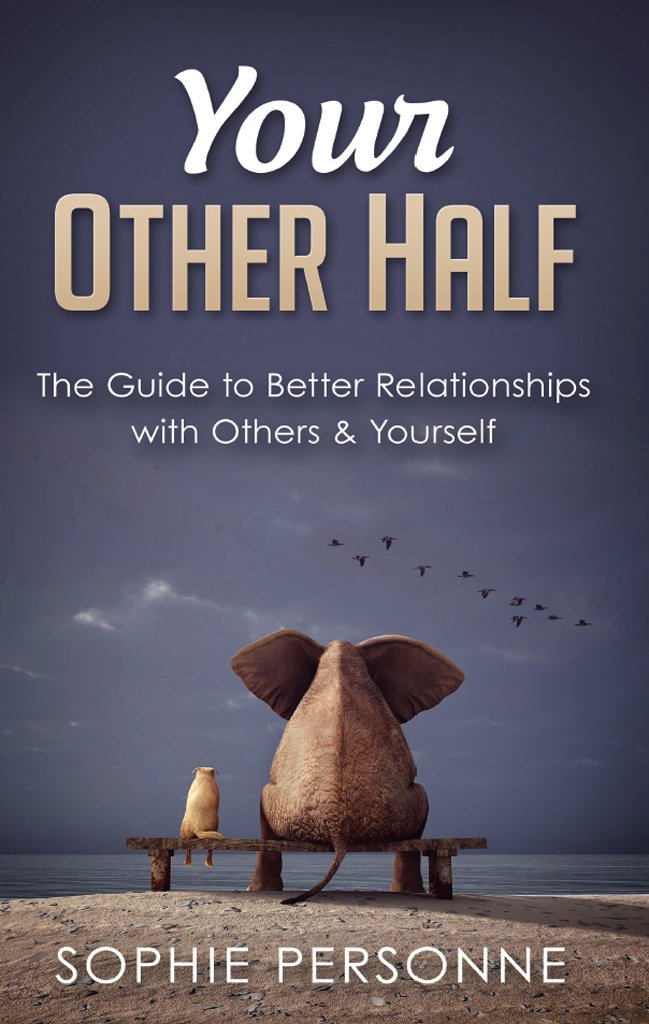
Your Other Half: The Guide To Better Relationships With Others & Yourself (Relationship Advice Books Book 1)

  Book Cover


Your Other Half:

The Guide To Better Relationships With Others & Yourself

(Relationship Advice Books Book 1)


Relationships can be complicated…

In a world where we are more connected than we have ever been, we are probably also the loneliest we have ever been. We can watch people’s lives unfold through social media and compare them to our own, often leaving us with a feeling of inadequacy.

Singletons struggle to meet their significant others whilst for some, being in a relationship is not as fulfilling as they would want it to be. Feeling stuck in a rut and misunderstood as life and routine slowly take over, we sometimes wish things could be different. We look to find reasons and answers to make our lives better, trying miracle cure after miracle cure, failing miserably and repeating the same mistakes.

This book will take you through a journey of understanding what the deep root cause of your present situation really is, unlocking the answers and send you on your way to happiness and fulfilment, by teaching you simple methods and thought processes that can be easily applied. It has been designed to help if you are struggling with current relationships or seeking a new one.


Thursday, March 20, 2025

How Cleaning Up After Yourself Can Improve Your Relationship

  Cleaning Up


How Cleaning Up After Yourself Can Improve Your Relationship

It may seem like a small thing, but cleaning up after yourself can have a surprisingly positive impact on your relationship. While love, communication, and trust are essential for a strong partnership, day-to-day habits—like maintaining a tidy space—play a key role in fostering harmony. Here’s a closer look at how cleaning up after yourself benefits your relationship and helps it thrive.

1. Reduces Resentment and Prevents Arguments

Clutter may seem trivial, but studies show that household chores are a common source of tension in relationships. According to a report from the Pew Research Center, sharing household responsibilities ranks high among factors that contribute to a happy marriage. When one partner consistently leaves messes for the other to handle, it can build resentment over time.

By cleaning up after yourself, you help avoid arguments about who does more housework, creating a more peaceful environment where both partners feel respected.

2. Shows Respect and Consideration

Tidying up isn’t just about keeping a clean home—it’s also about showing that you care for your partner’s well-being. When you clean up your dishes, put away your clothes, or tidy shared spaces, you send the message that you respect your partner’s time and effort. Small acts of cleanliness demonstrate that you value the relationship and take responsibility for your actions.

This mutual consideration builds trust and fosters positive feelings between partners.

3. Promotes Emotional Well-Being

Living in a messy or disorganized environment can lead to increased stress and anxiety. Research published in Personality and Social Psychology Bulletin found that people who described their homes as cluttered were more likely to experience elevated levels of cortisol (the stress hormone). A tidy environment helps both partners feel more at ease, which can improve communication and connection.

When you both contribute to maintaining a clean home, it creates a space where relaxation and intimacy can flourish.

4. Strengthens Teamwork and Collaboration

Sharing household chores—including cleaning up after yourself—builds teamwork and strengthens your bond. When both partners contribute equally, it reinforces the idea that you’re working together toward common goals. This collaborative approach helps partners feel more connected, making it easier to navigate other challenges in the relationship.

Even small moments of teamwork, like folding laundry together, can enhance the sense of partnership.

5. Encourages Healthy Boundaries

By cleaning up after yourself, you take ownership of your personal space and actions. This encourages healthy boundaries in the relationship, where both partners take responsibility for their behavior without relying on the other to compensate. Clear boundaries lead to mutual respect, ensuring that both partners feel valued and not burdened by the other’s habits.

6. Fosters a Positive Environment for Love to Grow

A clean and organized space provides more than just physical comfort—it creates an emotional environment where love and connection can thrive. When the home is tidy, you and your partner are less likely to feel overwhelmed by everyday life and can focus more on nurturing your relationship.

Taking a few moments to tidy up is a small gesture that leads to greater harmony and happiness in the long run.

Tips for Making Cleaning a Shared Habit

  • Create a Chore Routine Together: Set up a simple system for cleaning and tidying that works for both of you.
  • Communicate Your Preferences: Talk openly about what level of cleanliness matters to each partner.
  • Tidy As You Go: Small acts, like putting dishes in the sink or hanging clothes, can prevent clutter from building up.
  • Show Appreciation: Acknowledge each other’s efforts—it helps reinforce the habit of cleaning.

Final Thoughts

While cleaning up after yourself may seem like a small thing, it can have a profound impact on your relationship. By reducing stress, fostering teamwork, and showing consideration, this simple habit strengthens the emotional foundation between you and your partner. Relationships thrive not just on grand gestures, but on the little things—like a clean kitchen or a clutter-free living room—that show care and respect every day.

So next time you think about leaving that mess for later, consider how tidying up now can nurture your relationship in the long run.


Tuesday, March 18, 2025

Tilka Faces the Odds, One Man at a Time

  Book Cover


Tilka Faces the Odds, One Man at a Time


Bridget Jones meets Elizabeth Gilbert in the delightful story of Tilka, a middle-aged single mom navigating the rugged, unpredictable terrain of Alaskan life—and love. In a land where the women say, 'The odds are good, but the goods are odd,' Tilka embarks on a quest to find the man of her dreams. But taming Alaska's wildest life proves to be just as challenging as finding the perfect match, leading to unexpected adventures and mixed results along the way.

Get the ebook on Sale until the end of March 2025


Monday, March 17, 2025

How Couples Can Help Each Other Reduce Stress

 Stress Relief


How Couples Can Help Each Other Reduce Stress

Life can be stressful, but being in a relationship means you don't have to face it alone. Couples who support each other can not only reduce individual stress but also strengthen their bond. Below are practical ways partners can help each other relax, recharge, and create a peaceful environment together.

1. Open Communication and Active Listening

Talking about stress is the first step to relieving it.

  • Check In Daily: Make time to ask, “How was your day?” and actively listen.
  • Validate Feelings: Avoid dismissing your partner’s stress; simply acknowledging their feelings can be therapeutic.
  • Create a Judgment-Free Zone: Encourage honesty and openness, making it easier to express worries without fear.

💡 Tip: Use “I” statements, like “I noticed you seem stressed,” to show empathy without sounding critical.

2. Divide and Conquer Household Chores

Managing a home can add stress, but teamwork makes it easier.

  • Share the Load: Divide household responsibilities fairly to reduce burnout.
  • Surprise Acts of Service: If your partner has a busy day, handle an extra task without being asked.
  • Declutter Together: A tidy space promotes relaxation and mental clarity for both partners.

💡 Tip: Make chores more enjoyable by working together while listening to music or chatting.

3. Plan Relaxation Time Together

Intentional downtime can work wonders for mental health.

  • Date Nights In: Enjoy simple activities like watching movies, cooking, or playing games.
  • Unplug and Unwind: Schedule time to disconnect from screens and focus on each other.
  • Pamper Each Other: Trade massages or take a warm bath together to relax physically and emotionally.

💡 Tip: Make relaxation a habit by setting aside a stress-free time every week.

4. Encourage Healthy Habits

Good health plays a vital role in stress management.

  • Exercise Together: Go for walks, do yoga, or try a fitness challenge as a team.
  • Cook Nutritious Meals: Share the responsibility of preparing healthy meals.
  • Practice Mindfulness: Meditate or do breathing exercises together to promote calmness.

💡 Tip: Celebrate small achievements, like completing a workout or eating healthily for a week, to stay motivated.

5. Learn Each Other’s Stress Relievers

Everyone relaxes differently, and knowing what works for your partner is key.

  • Ask About Preferences: Find out what activities help your partner unwind—whether it’s reading, journaling, or taking a nap.
  • Respect Personal Space: Sometimes, giving your partner space to recharge is the most supportive thing you can do.
  • Join Them Occasionally: If your partner enjoys solo hobbies like gardening or painting, join them from time to time to show support.

💡 Tip: Encourage each other to pursue individual interests, as this helps maintain personal well-being.

6. Laugh Together Often

Laughter is one of the best stress relievers.

  • Watch Comedies: Enjoy funny shows, movies, or stand-up specials together.
  • Share Inside Jokes: Reminiscing about funny moments helps lift the mood.
  • Play Silly Games: Engage in light-hearted activities like trivia or board games.

💡 Tip: Laughter releases endorphins, so don’t take life too seriously—find reasons to laugh together often!

7. Be Each Other’s Cheerleader

Encouragement can make all the difference during tough times.

  • Celebrate Wins: Recognize achievements, no matter how small.
  • Offer Reassurance: Let your partner know you believe in them, especially during stressful moments.
  • Be a Source of Positivity: Remind your partner of their strengths and past successes.

💡 Tip: Leave uplifting notes around the house or send thoughtful texts during the day for extra encouragement.

Helping each other reduce stress is about being intentional, empathetic, and supportive. Whether through open communication, sharing responsibilities, or simply making time to relax together, couples can turn life’s challenges into opportunities to grow closer. When stress is managed together, the bond between partners becomes stronger—and a stress-free relationship becomes a reality.

Make it a priority to check in, laugh often, and support each other’s well-being. After all, the happiest couples are those who tackle life’s ups and downs hand in hand.